


Hydraulics Laboratory
Brief description
In the Hydraulic Engineering Laboratory on the Design Campus, physical model experiments on hydraulic problems are conducted as part of the Civil Engineering degree programme. Students have the opportunity to investigate hydraulic phenomena using practical test setups in the fields of hydraulic engineering and municipal water management.
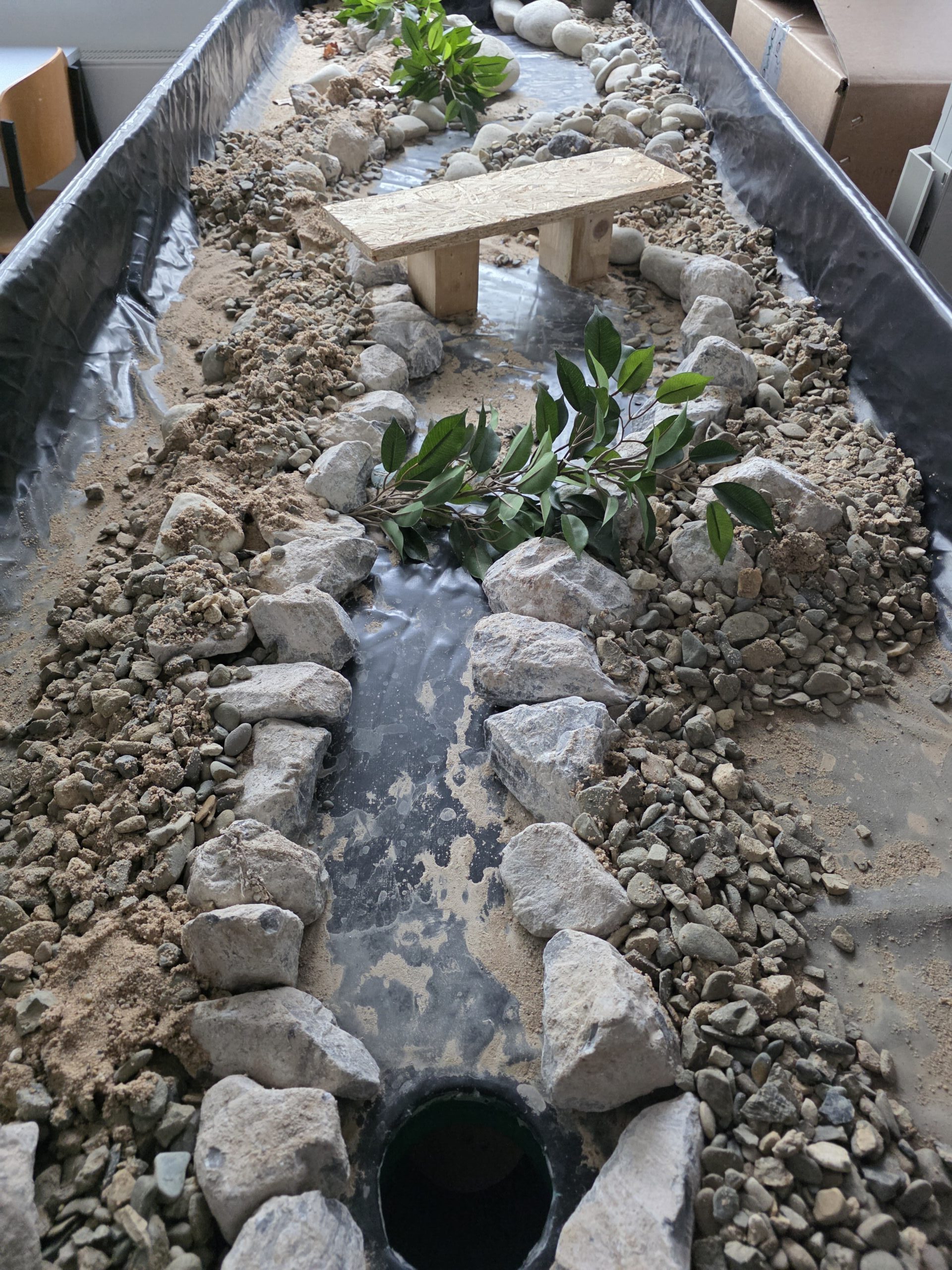
The test facility features several tilting flumes of various sizes and numerous laboratory setups for illustrating course content and investigating hydraulic engineering problems (e.g., flow parameters, morphology, embankment test stand, seepage test stand, structural models)
.
The Hydraulics Laboratory also provides the necessary technology and equipment to address water management issues in project and research initiatives.
Location: TheHydraulics Laboratory is located in Room D1-121 on the Design Campus.
Laboratory equipment
Laboratory Troughs
- Laboratory flow channel (Armfield S6-MKII; 12 m long, 0.30 m wide, and 0.45 m high laboratory flume).
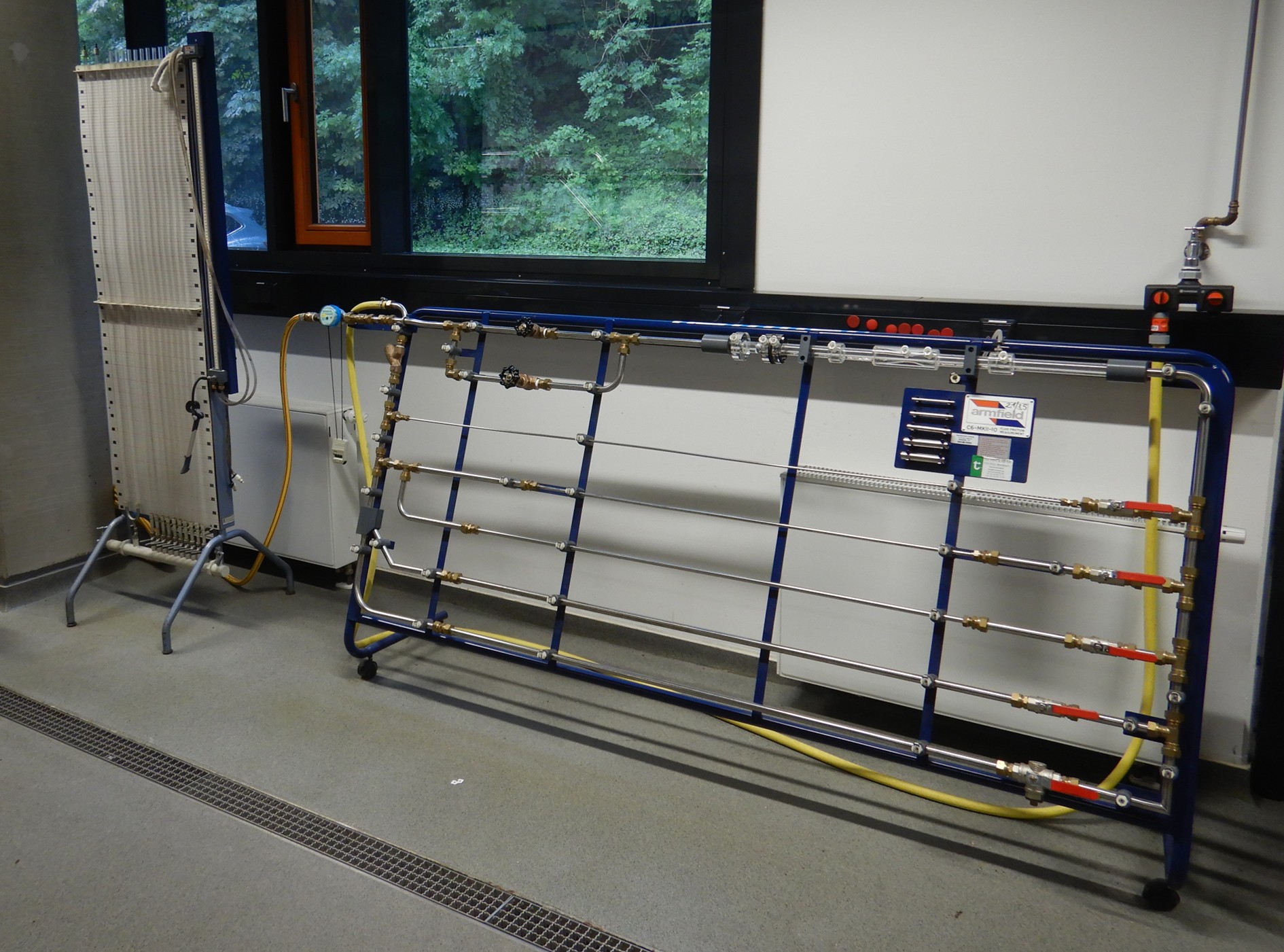
- Armfield C6-MKII-10 measuring device (Used to investigate pressure losses that occur when an incompressible fluid flows through pipes, fittings, and flow meters.)
- Armfield C4 Tilting Flume and Flow Visualization Table (Used to demonstrate the principles of fluid mechanics as they apply to engineering structures in open-channel flow.)
Pressure Measurements
- Piezometer array
- Pressure probes for various measurement ranges
Water Level Measurements
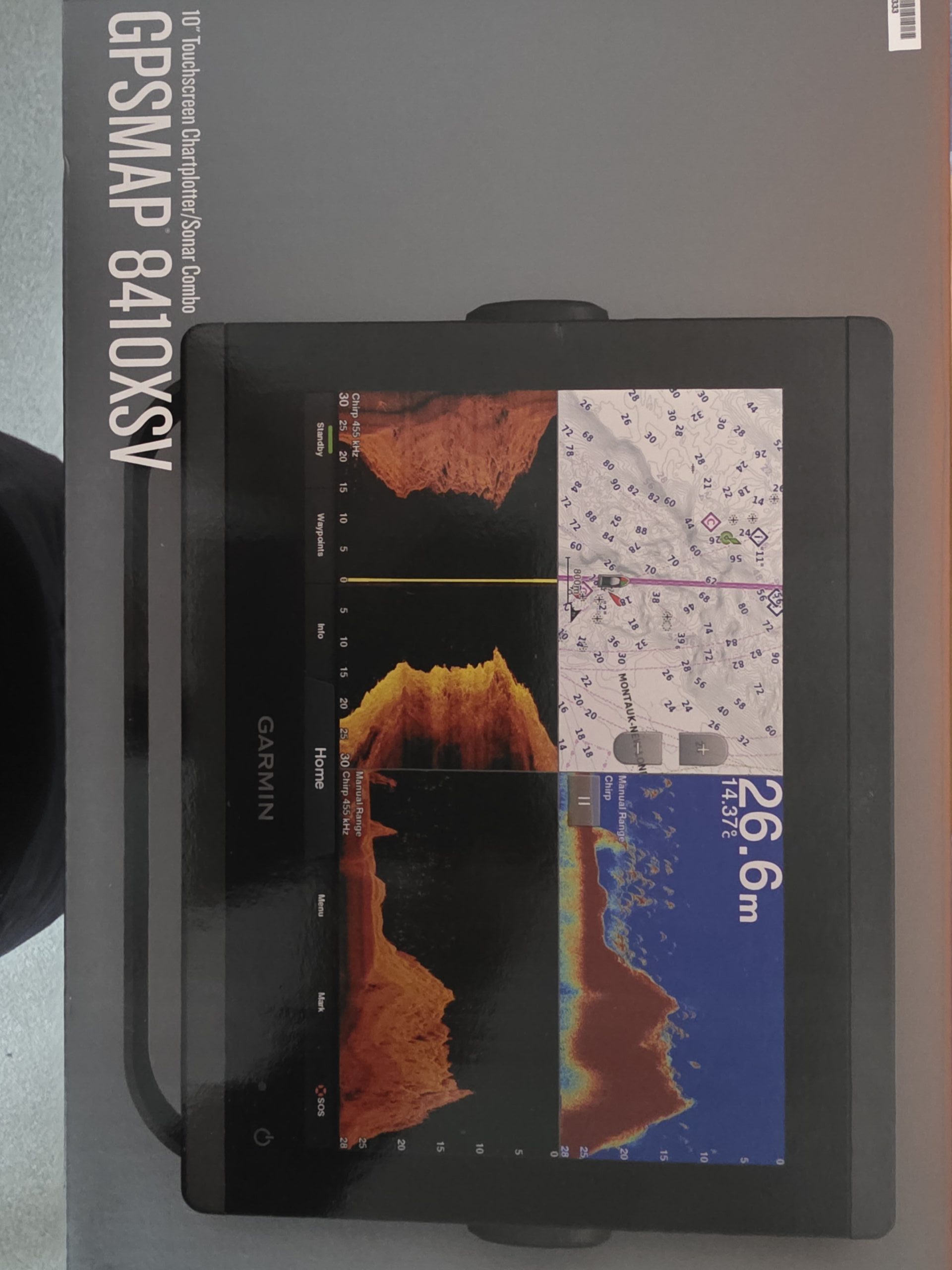
- Echo Sounder Water Level Meters
Speed Measurements
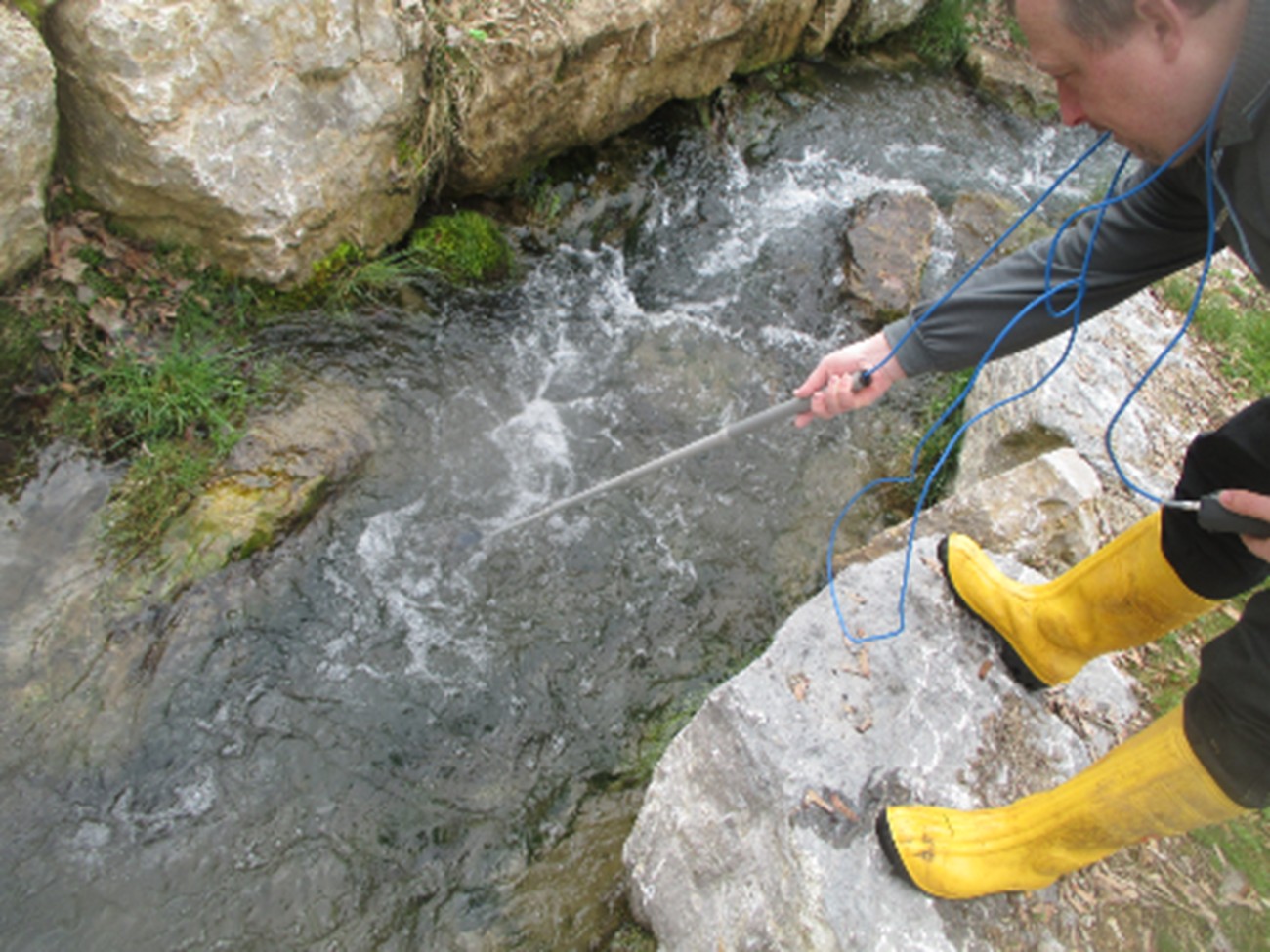
- hydrometric vanes (small, large)
Flow measurements
• Tracer methods
• Discharge measurements in channels (Sommer RQ-R+)
• Inductive velocity probes
Morphodynamic, Fish, and Underwater Observations
- Underwater cameras
Precipitation measurements
- Thies Rain Gauge
Permeability Tests
- Double-Ring Infiltrometer
Bathymetry
- Allroundmarin Boat with Rhino BLX Electric Motor
Courses held in the laboratory
- Hydraulic Engineering,
- Field Internships in Water Resources Management
- Municipal Water Management
Techniques, methods and standards established in the laboratory
- 1D, 2D, 3D Flow Simulation
Research and topics for cooperation
- Hydraulic Engineering and Urban Water Management: Measurement Technology, Retention Systems, Infiltration, Flow Parameters
- High- and Low-Water Management: Structural Analyses and Control Systems
- High- and Low-Water Modeling: Hybrid Modeling Techniques
- Morphodynamics: Watercourse revitalization and the effects of instream measures
- Future-Oriented Urban Drainage