

20. November '26
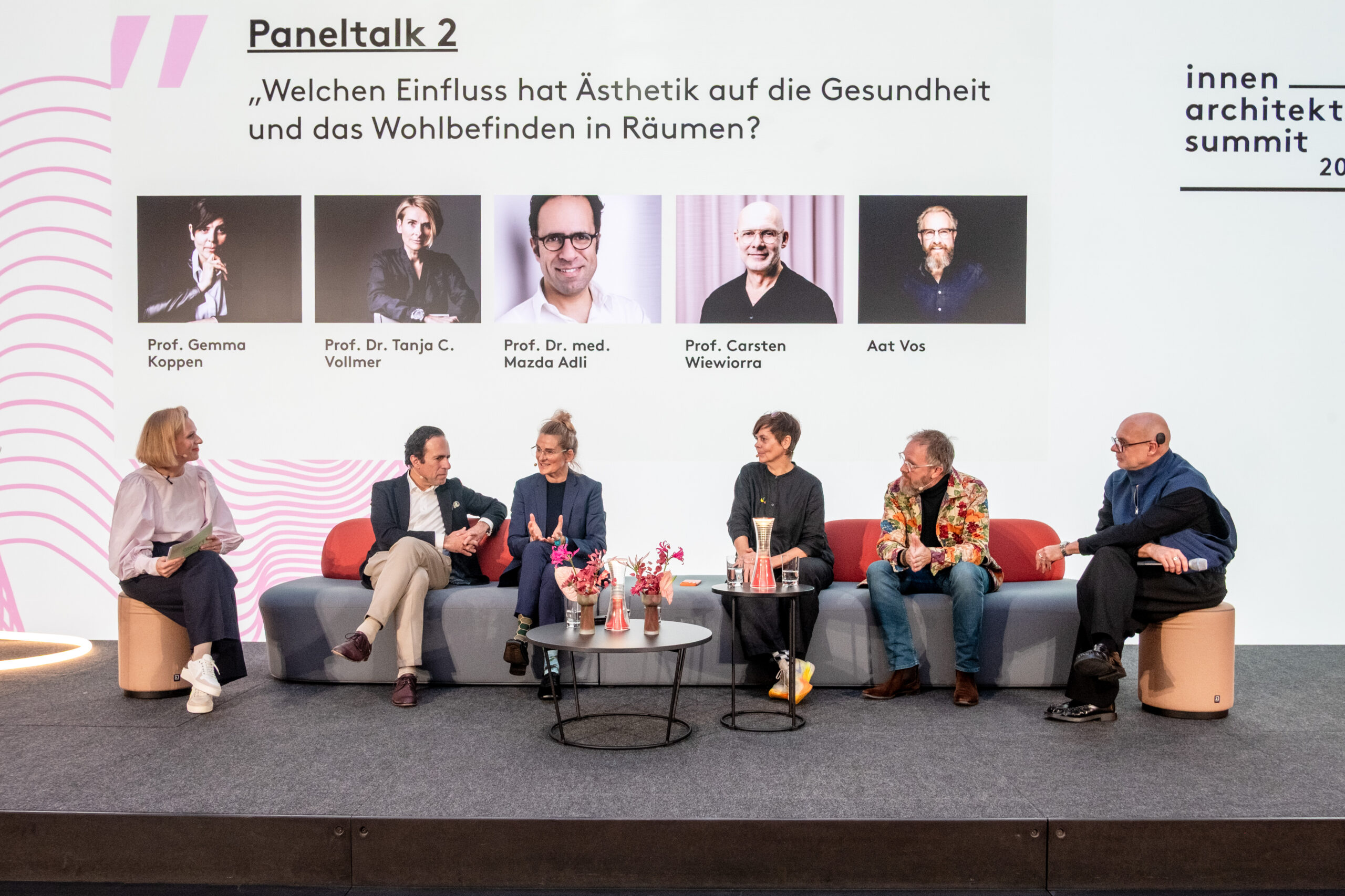
177-Prof Koppen4vl – Photo by Till-Budde_bdia_Summit-Day2-169
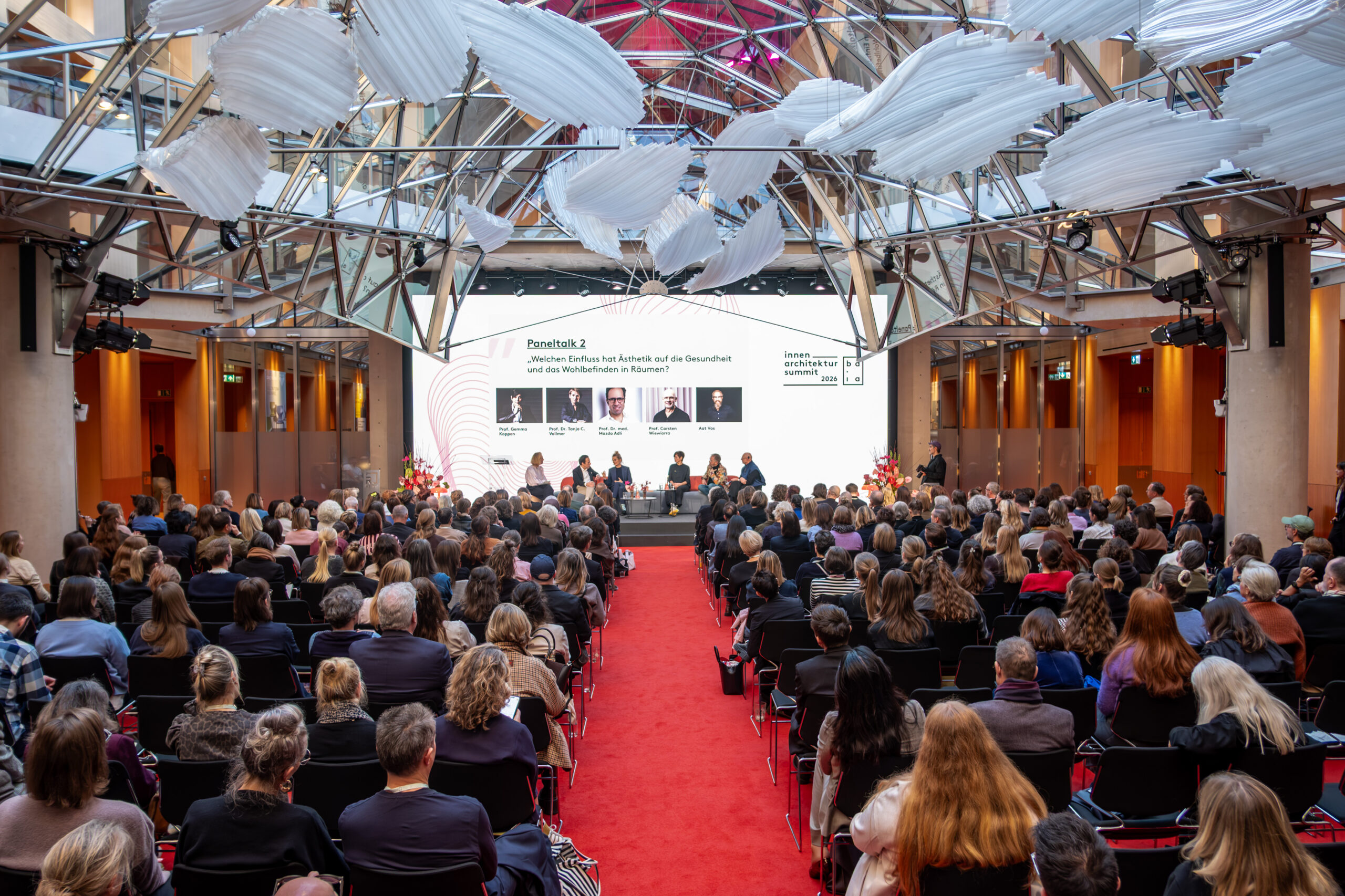
Prof. Gemma Koppen (4th from the left) from the Faculty of Design + Construction at Coburg University of Applied Sciences and Arts participates in a panel discussion on the question, “How does aesthetics influence health and well-being in spaces?” Photo: Till Budde
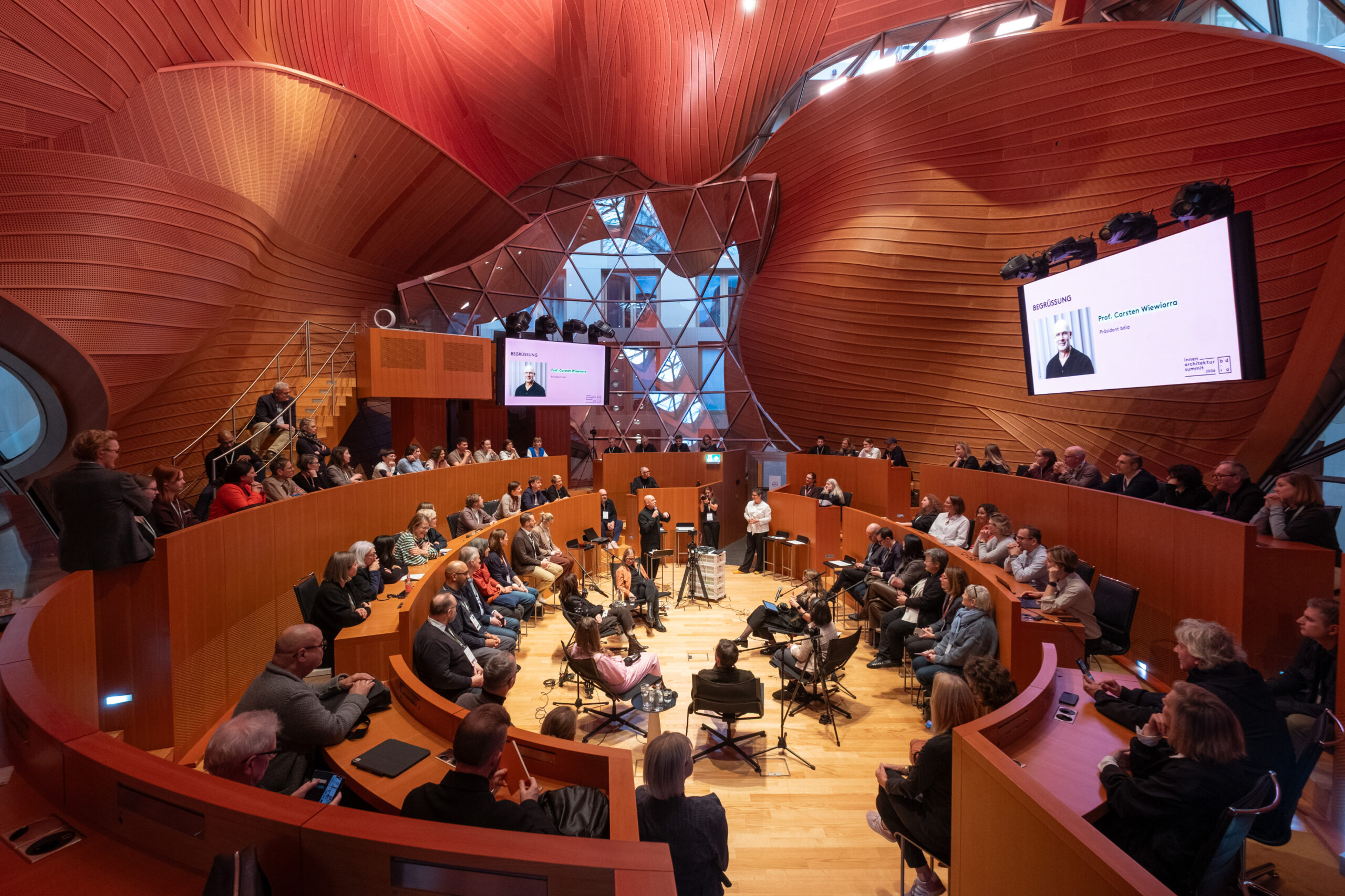
Till-Budde_bdia_Summit-Day1-7
Scenes from the bdia Interior Design Summit in Berlin. Photo: Till Budde

Till-Budde_bdia_Summit-Day1-123
Scenes from the bdia Interior Design Summit in Berlin. Photo: Till Budde
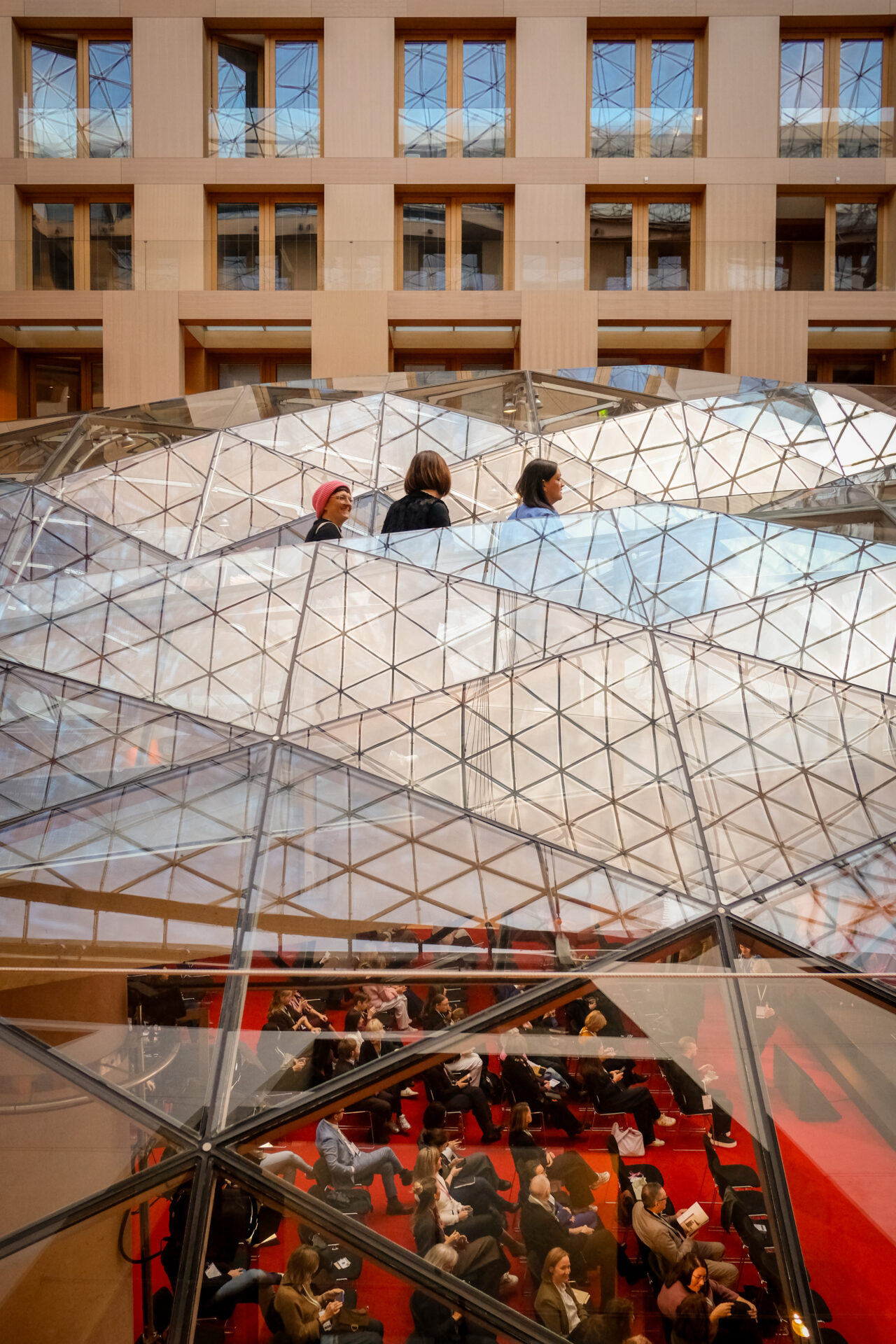
Till-Budde_bdia_Summit-Day2-15
Scenes from the bdia Interior Design Summit in Berlin. Photo: Till Budde
Till-Budde_bdia_Summit-Day2-185
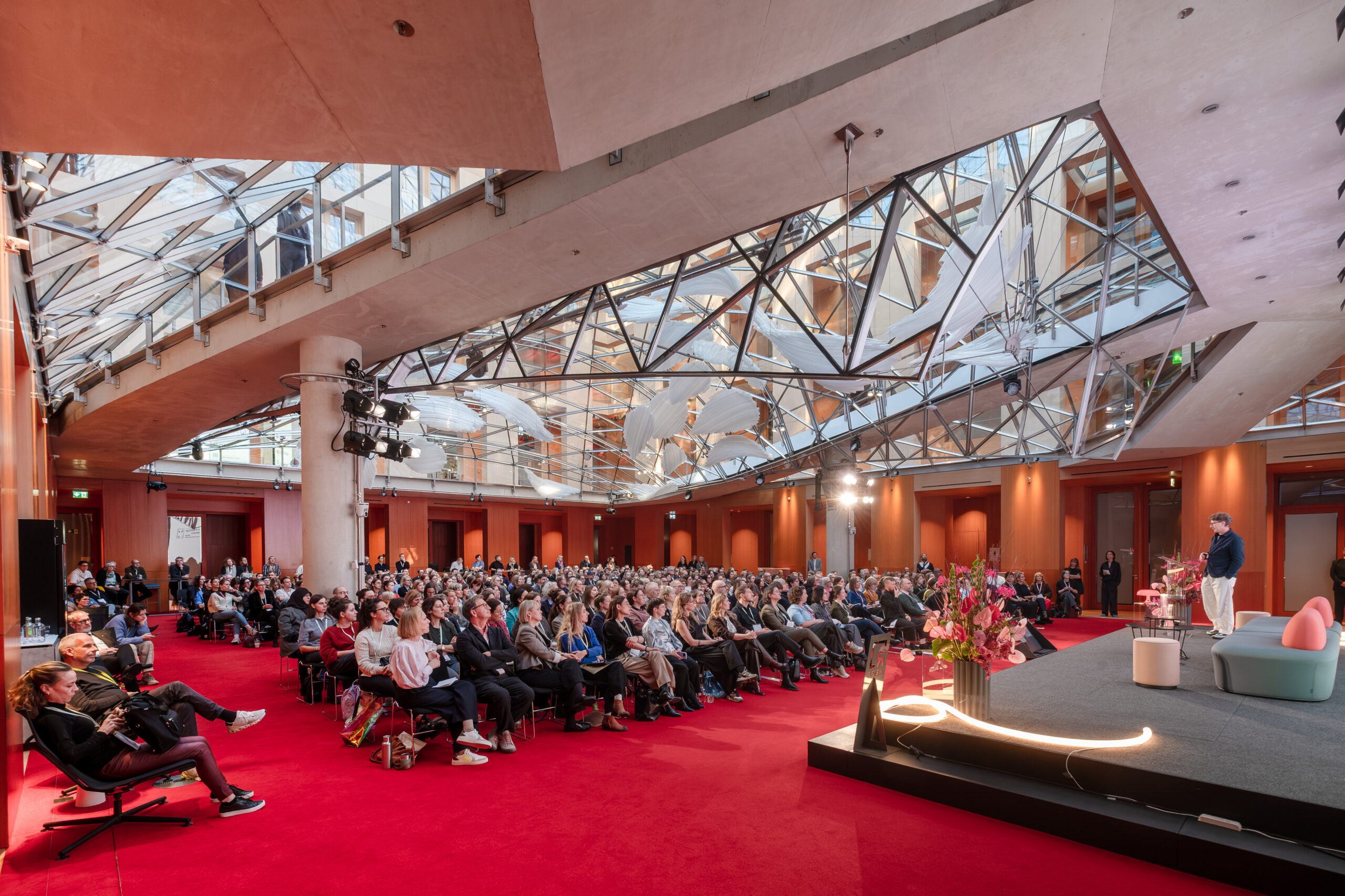
Scenes from the bdia Interior Design Summit in Berlin. Photo: Till Budde
Till-Budde_bdia_Summit-Day2-282
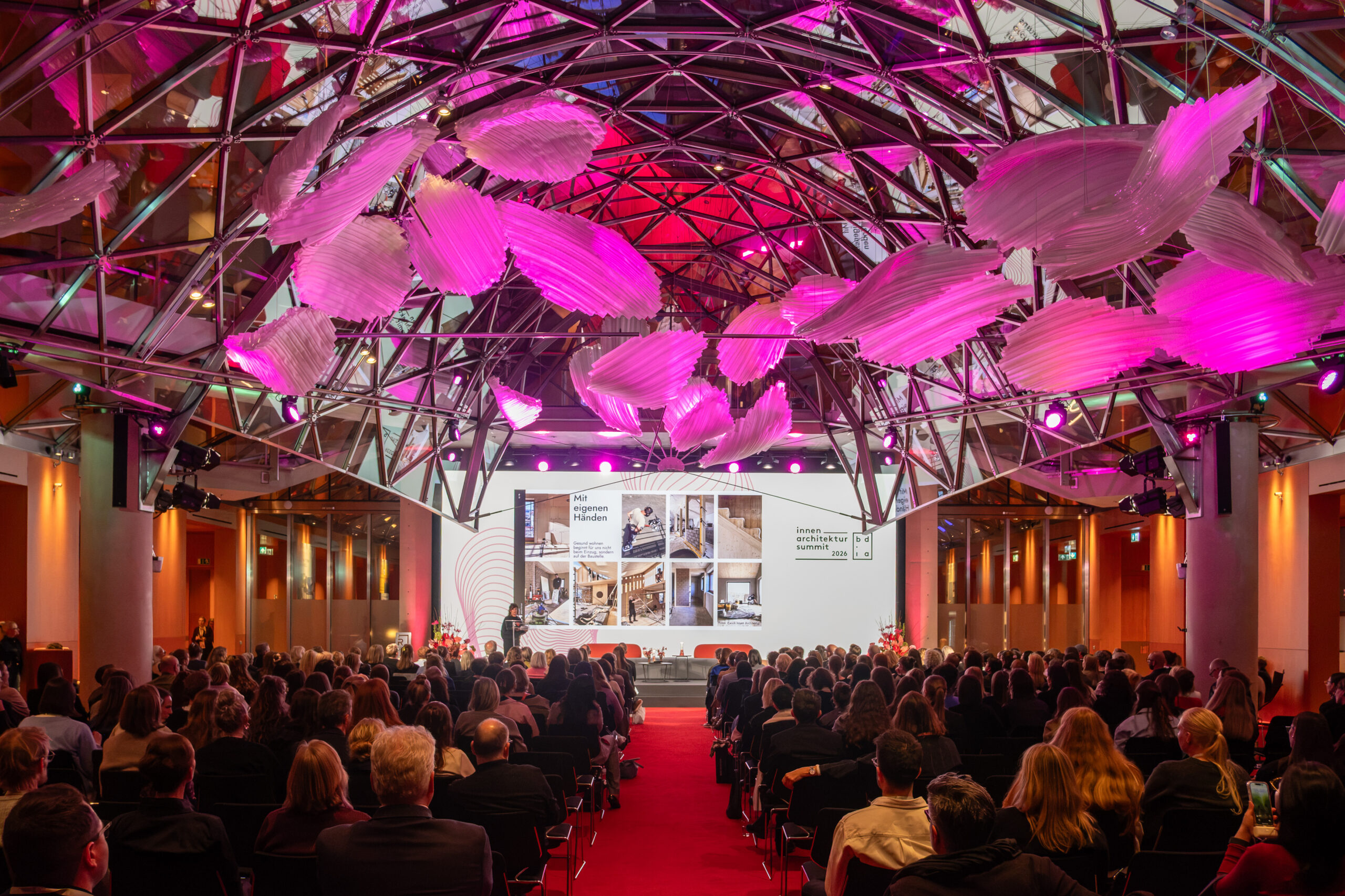
Scenes from the bdia Interior Design Summit in Berlin. Photo: Till Budde
Till-Budde_bdia_Summit-Day2-344
Scenes from the bdia Interior Design Summit in Berlin. Photo: Till Budde

Till-Budde_bdia_Summit-Day2-762
Scenes from the bdia Interior Design Summit in Berlin. Photo: Till Budde
(Press Office)
The bdia’s second Interior Design Summit in Berlin focused on the impact of spaces on health and well-being. Prof. Gemma Koppen, professor of Design and Health in the Faculty of Design + Construction at Coburg University of Applied Sciences and Arts, shared insights from architectural psychology.
With the second Interior Design Summit, held November 13–15, 2026, in Berlin under the theme “Aesthetics & Health: How Interior Design Influences Our Well-Being,” the bdia (Association of German Interior Architects) brought together experts from the fields of planning, science, and medicine. During the political panel discussion, participants emphasized the need to integrate health and well-being more firmly into planning processes and to foster closer collaboration among the various disciplines.
Scientific insights meet design practice
Keynote addresses, specialized presentations, master classes, and discussions explored the interactions between people and space. Prof. Gemma Koppen from Coburg University of Applied Sciences and Arts and Prof. Dr. Tanja C. Vollmer, an architectural psychologist and founder of Kopvol architecture & psychology, shared insights from architectural psychology and health-oriented design.
Prof. Dr. Axel Buether addressed the significance of color; Dutch architect Aat Vos explored how spaces can foster social interaction and participation; and Dr. Eckart von Hirschhausen and Ursula von Hirschhausen broadened the perspective to include the connections between health, sustainability, and the responsible stewardship of our environment.
Berlin Declaration 2026: Health Is a Planning Issue
As a joint conclusion, the summit adopted the Berlin Declaration_2026_f.pdf. It sets forth three key findings: Aesthetics influence perception and emotion and must be considered from a scientifically grounded perspective. Health and well-being must be integrated into the planning process from the very beginning—with interior design factored in as early as Phase 0. And good interior design creates the conditions for orientation, safety, self-determination, and social participation.
The summit demonstrated that healthy spaces require scientifically sound knowledge and early interdisciplinary planning—a field in which Coburg University of Applied Sciences and Arts is represented by Prof. Gemma Koppen.
For more information on the 2026 Interior Design Summit: www.bdia.de