


Building preservation and traditional working techniques
Preserving values - climate-friendly construction
At a Glance
Faculty
Academic degree
Bachelor of Arts (B.A.)
Type of Study
Full-time or combined study program (dual study program)
Standard Duration of Study
7 semesters + 1 year of training before starting your studies (dual study program only), 210 ECTS
Place of Study
Language of Instruction
German
Start of Studies
Winter semester (October 1)
Admission Requirements
- University entrance qualification, entrance qualification for universities of applied sciences, vocational qualification or foreign educational certificate
- For the dual study program: additional training contract in a relevant skilled trade and proof of 1st year of training.
- For full-time study: completion of a relevant vocational training program (see Study and Examination Regulations)
Costs
Semester Tuition ( including semester ticket)
Studying with a Industry Partner
Possible as a combined study program (PraxisPlus)
Registration
from May 02 – September 30
You can enrol for the Building Conservation and Traditional Work Techniques course at both Coburg University of Applied Sciences and Arts and the University of Bamberg. You will receive the semester ticket from the Coburg University of Applied Sciences and Arts. This is included in the university semester fee.
Program Profile
Converting and renovating instead of building new – our built environment is a valuable resource. On the Bachelor’s degree course in Building Conservation and Traditional Building Techniques, you will learn how to sustainably secure existing buildings and develop them responsibly. You will combine craftsmanship and science in the tradition of the Dombauhütten: you will supplement your practical training with sound theoretical knowledge and current scientific methods.
You will recognize architectural values, develop renovation concepts and accompany their implementation. Building history, historical constructions and traditional and regional building techniques are an integral part of the course – both in theory and in practice. The course, which is unique in Germany, is being developed in cooperation with the University of Bamberg and the Chamber of Crafts for Upper Franconia – and combines building culture, practice and the future.
What We Value
Combining craftsmanship and science
We believe in the power of both worlds. For us, sound scientific methods and precision craftsmanship are inseparable – in the tradition of the Dombauhütten and with a view to the demands of the present day
Learning on a real object
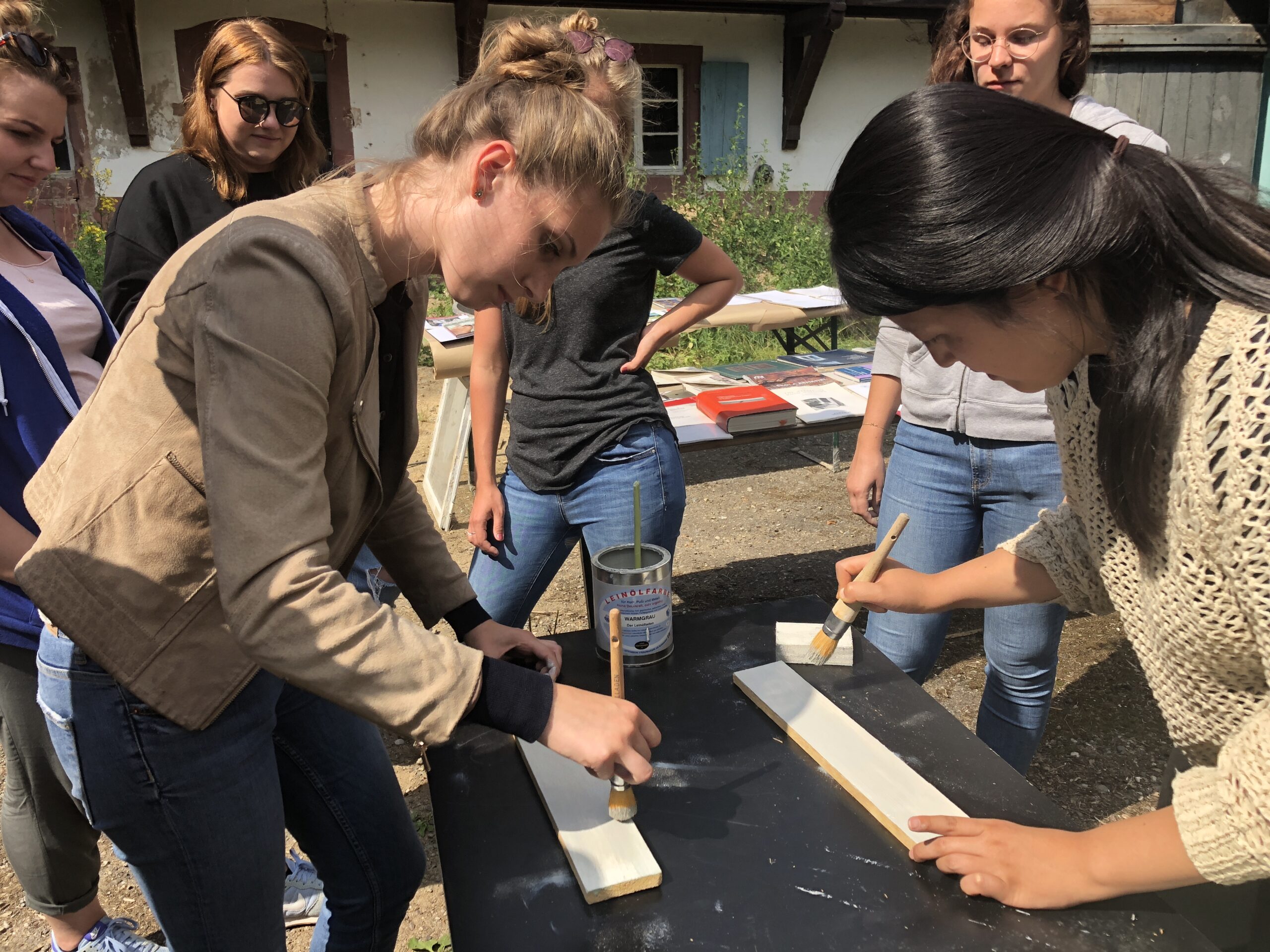
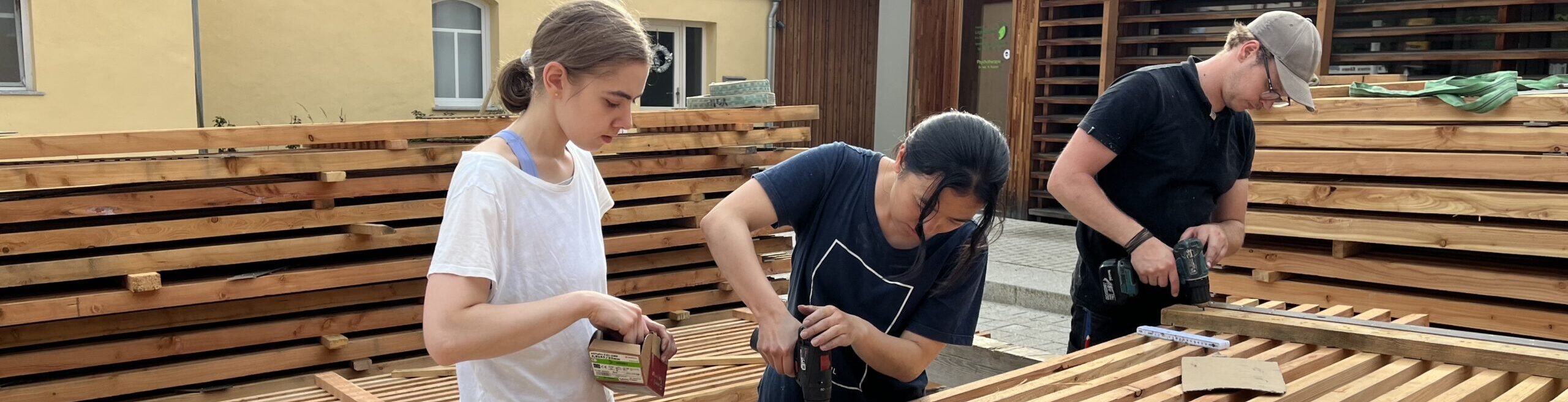
Theory does not remain abstract. You will apply your knowledge directly in projects, practical seminars and – in the dual-track version – in the craft business and develop a deep understanding of constructions, materials and processes.
Interdisciplinary thinking
Building conservation means cooperation: planning, craftsmanship, monument preservation, organization and law are intertwined. We promote the ability to work at interfaces and combine different perspectives.
Studying abroad
Coburg University of Applied Sciences and Arts promotes international exchange, has good contacts in the field and the International Office provides support in the search for a suitable partner university. Further information is available from the university’s Study Abroad service.
Course Content and Structure
In the dual version, a year of training precedes the degree course. Once the course begins, training in the craft business only continues during the semester breaks and the practical semester. The journeyman’s examination is scheduled for the 6th semester.
Semesters 1 through 4: Fundamentals
- Building history and historical materials 1-4
- Architectural and structural engineering principles
- Monument preservation
- Scientific work
- Compulsory elective modules
- Interdisciplinary project or practical seminar on craft techniques 1-4 (dual study option only)
5th-7th semester
5th semester
- Practical Study Semester
6. to 7th semester
- Individual modules and electives
- Bachelor thesis
Practical Experience During College
Practical craft modules
The practical seminar on craft technology serves to dovetail the content of company practice and studies. In the course, students present the contributions they have made to the processing of customer orders during their practical time. They explain their approach and results and receive feedback from lecturers and other students. In particular, references are made to the course content. Using the case studies, the interdisciplinary group looks for interfaces between the construction trades, reflects on differences in approaches and discusses possible synergies.
Practical Study Semester

The practical semester generally takes place during the fifth semester of study. It is systematically supervised and spans a continuous period of 20 weeks. Students spend 18 weeks in the internship, and two weeks are devoted to a practical seminar at the university. Dual-track students remain at their training company during the practical semester, while full-time students have more flexibility in finding a company for their internship. The university provides assistance in finding a partner organization if needed.
Cooperative study program (dual study program)
In the “Practice-Based Construction and Trades (Dual)” program, you combine your bachelor’s degree with a relevant apprenticeship in the primary or secondary construction trades, e.g.,
- Bricklayer
- Carpenter
- Carpenter
- (Church) Painter
- Plasterer, Stonemason
- Roofing Contractor
- Locksmith
- Painter and Varnisher
- Metalworker
- HVAC Technician.
The degree program is preceded by a year of apprenticeship. Once you begin your studies, the apprenticeship at the craft business continues during semester breaks and during the practical study semester. The journeyman’s examination is scheduled for the 6th semester. You will also coordinate the topic of your bachelor’s thesis with your training company. After 4.5 years, provided you pass all your exams, you will have both an apprenticeship certificate and a bachelor’s degree.
Jobs & Careers
You’ll help shape the future of construction—in existing buildings.
With your degree, you’ll work at the intersection of planning and craftsmanship—anywhere buildings are being constructed, preserved, or renovated. The construction industry is considered stable, and the need for renovation is growing steadily.
In building maintenance, the focus is on individual solutions: every building is different, every construction site has its own requirements. This calls for experience, an understanding of craftsmanship and the ability to make informed decisions on site – skills that cannot be easily automated or replaced by AI.
Typical fields of application
- Site management in the craft business
- Specialist for renovation and building maintenance
- Link between planning, workshop and construction site
- Technical or project management positions
Your profile – strong in two worlds
- Academic degree
- Completed craft training
- Option for further training to become a master craftsman or master’s degree
- Sound knowledge of sustainable conversion culture
Your perspectives
- Management tasks in the skilled trades
- Secure, responsible jobs
- Own business management or business succession
- High demand in the area of climate-friendly refurbishment
In short, you are working in a field that is here to stay – with real tasks, real decisions and a future that cannot be automated.
Go get a master's degree!
After successfully completing their bachelor’s degree, outstanding graduates have the opportunity to further their education by pursuing a master’s degree. To this end, Coburg University of Applied Sciences and Arts offers the master’s program in Design as well as—in cooperation with the University of Bamberg—the two master’s programs in Historic Preservation and Digital Heritage Technologies.
You can also find an overview of which master’s programs you can pursue with your bachelor’s degree here.
Curriculum and Examination Regulations
The study plan ( combined and full-time variants) provides an overview of the structure of the degree program. The module handbook provides information on the content of the individual modules. The study and examination regulations form the legal basis of the degree program. If you have any questions about the content of the course, please contact the course director Prof. Benedikt Buchmüller.
Promotion
The course is supported by the Upper Franconia Foundation and the Rainer Markgraf Foundation.